
 Jan 15, 2026
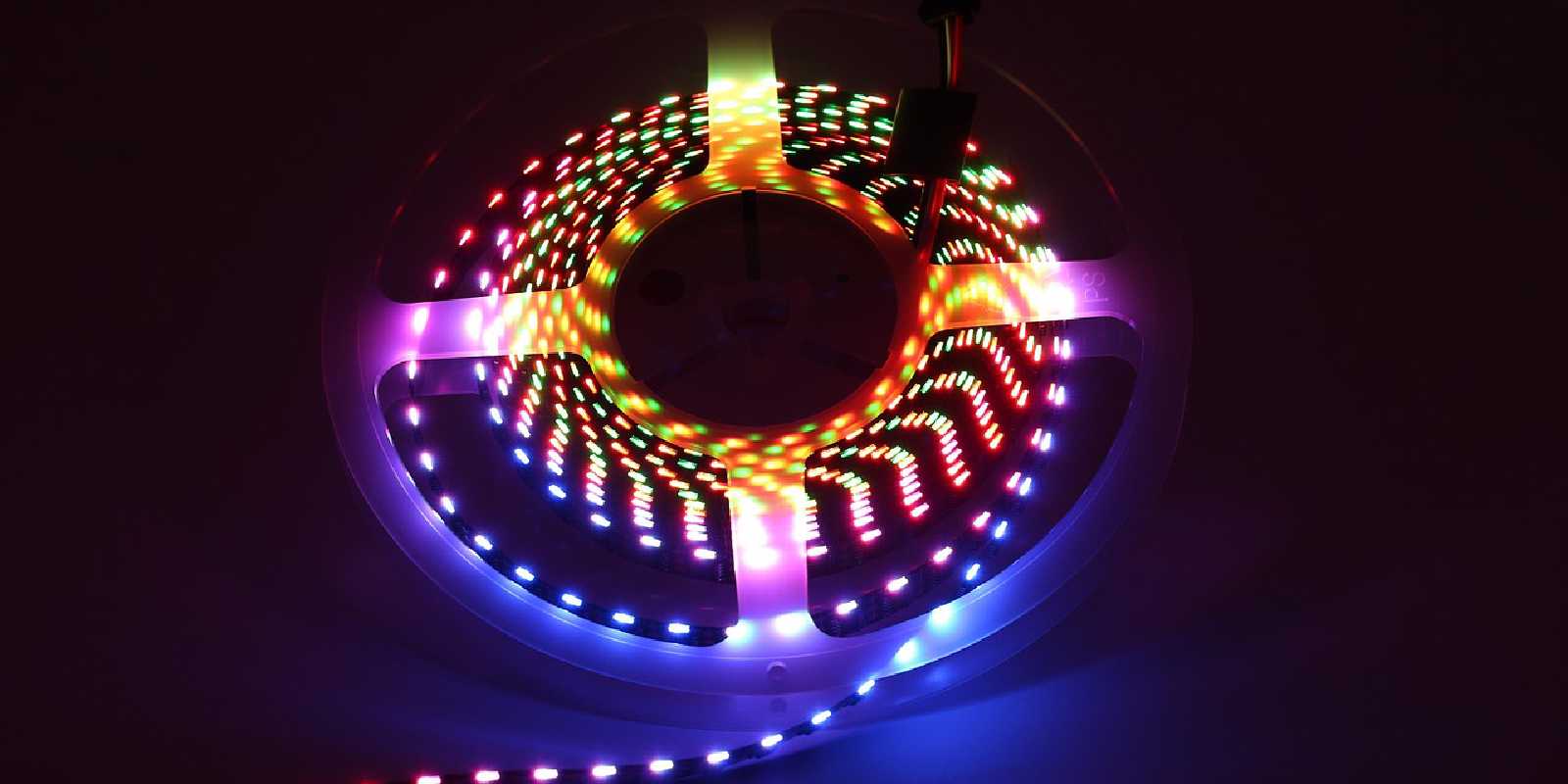
Stop treating your reef like a gaming setup. Cheap 12V RGB strips lack the PAR/spectrum needed for coral growth, cause stress-inducing flicker, and eventually succumb to aquarium-induced corrosion. Borneo IoT replaces these “toy-grade” DIY fixes with industrial-grade, multi-channel constant current controllers designed for professional biological results and long-term stability.
If you browse Reddit or DIY forums, you’ll see many “Smart Aquarium” projects using a basic ESP32 paired with generic 12V RGB LED strips. It looks cool on a breadboard, and it’s certainly cheap.
But if you are serious about a planted tank or a reef system, these “student-level” DIY solutions are not just inadequate—they are risky. Here is why we designed the Borneo IoT ecosystem to move beyond these limitations.
The Spectrum Trap: “Colorful” is not “Functional”
Generic 12V RGB strips are designed for under-cabinet lighting or gaming setups, not for photosynthesis.
- The Problem: Plants and corals require specific peaks in the actinic blue and full-spectrum red ranges. Standard RGB LEDs use wide-band phosphors that lack the PAR (Photosynthetically Active Radiation) intensity needed for deep tanks.
- The Borneo IoT Difference: Our controllers, like the Ulva-6, are built for Multi-Channel High-Power LEDs. We support independent control of specialized wavelengths (UV, Royal Blue, Deep Red) that actually drive coral growth and plant health.
PWM Flickering vs. True Dimming
Most cheap DIY setups use low-frequency PWM (Pulse Width Modulation) to dim 12V strips.
- The Problem: This creates a high-frequency flicker. While humans might not see it, research suggests it can stress sensitive aquatic life. Moreover, it creates “banding” effects if you try to photograph or record your tank.
- The Borneo IoT Difference: We focus on high-frequency, high-resolution dimming and constant current drivers. This ensures a smooth “sunrise/sunset” transition that mimics nature without the jittery steps of a $5 controller.
The Humidity & Corrosion Factor
The environment above an aquarium is a nightmare for electronics—it’s essentially a warm, salt-spray chamber.
- The Problem: Standard 12V strips and exposed ESP32 dev-boards use thin copper traces and no conformal coating. Within 3-6 months, you’ll see green oxidation (corrosion), leading to short circuits or fire hazards.
- The Borneo IoT Difference: Our hardware (like the BLC06E series) is designed with industrial-grade PCB standards, optimized for heat dissipation, and intended to be housed in protected, modular enclosures. We build for longevity, not for a weekend hobby project.
Scalability: Beyond the Breadboard
A 12V RGB strip is a “dead-end” architecture. If you want to add more power or more channels later, you have to rip the whole system out.
- The Problem: Most DIY code is “hard-wired” for one specific strip.
- The Borneo IoT Difference: We embrace Modular Architecture. Our system is designed to be the “brain” that can drive various power stages. Whether you are running a 10W nano tank or a 300W commercial reef light, the logic remains stable and professional.
Conclusion
There is nothing wrong with experimenting with 12V strips to learn coding. But your livestock deserves a stable, professional environment.
At Borneo IoT, we bridge the gap between “DIY hobbyist” and “Industrial Performance.” Our open-source hardware gives you the freedom of DIY with the reliability of a commercial controller.
Ready to upgrade from a “toy” to a “tool”? Check out our Buce Controller Architecture →